Latest News


A Soft Robot Reaches for the Stars

When the Internet Is Up – but You Still Can’t Get There
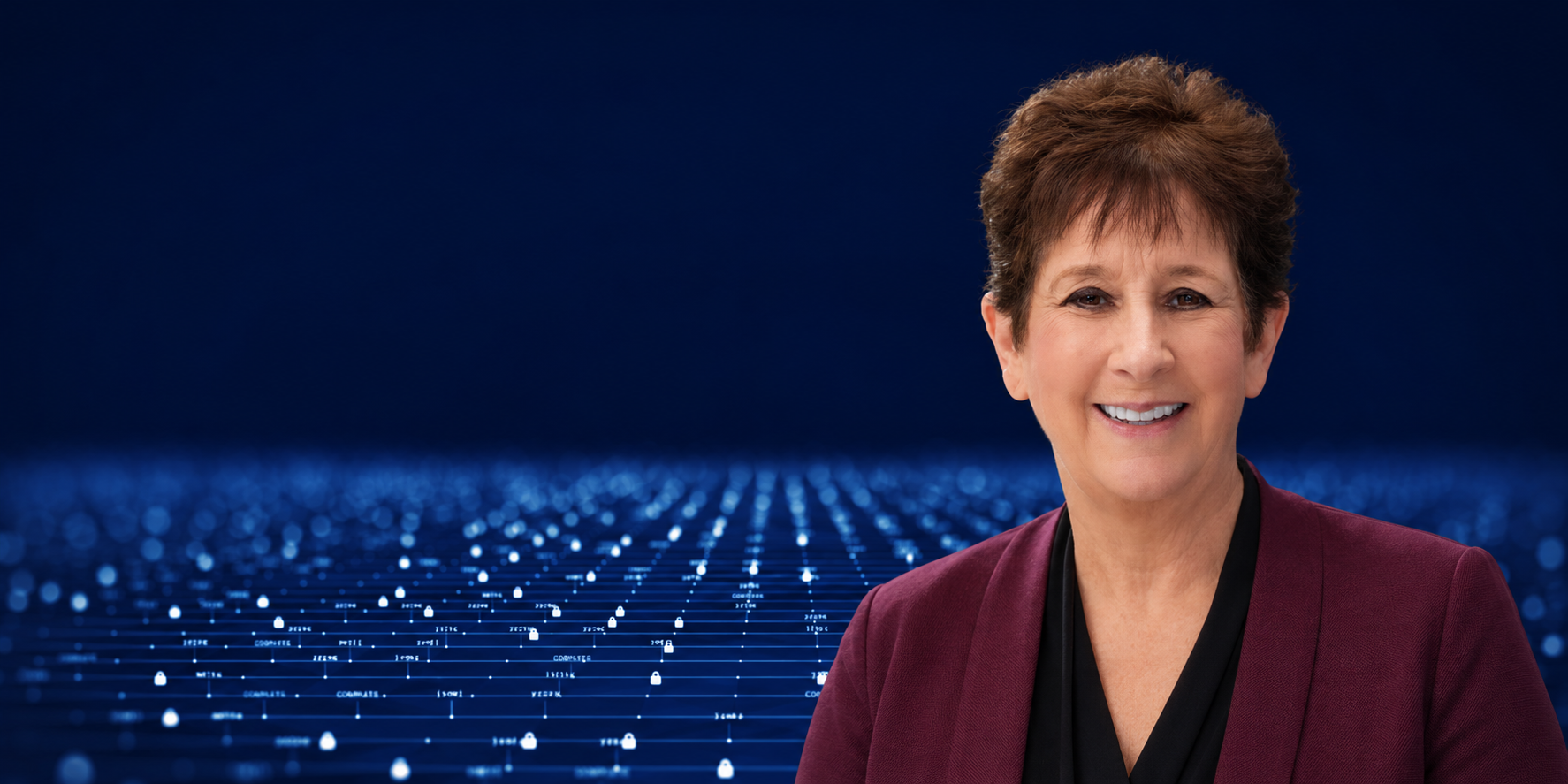
Terry Benzel to Lead the IEEE Computer Society Through Computing’s AI Inflection Point
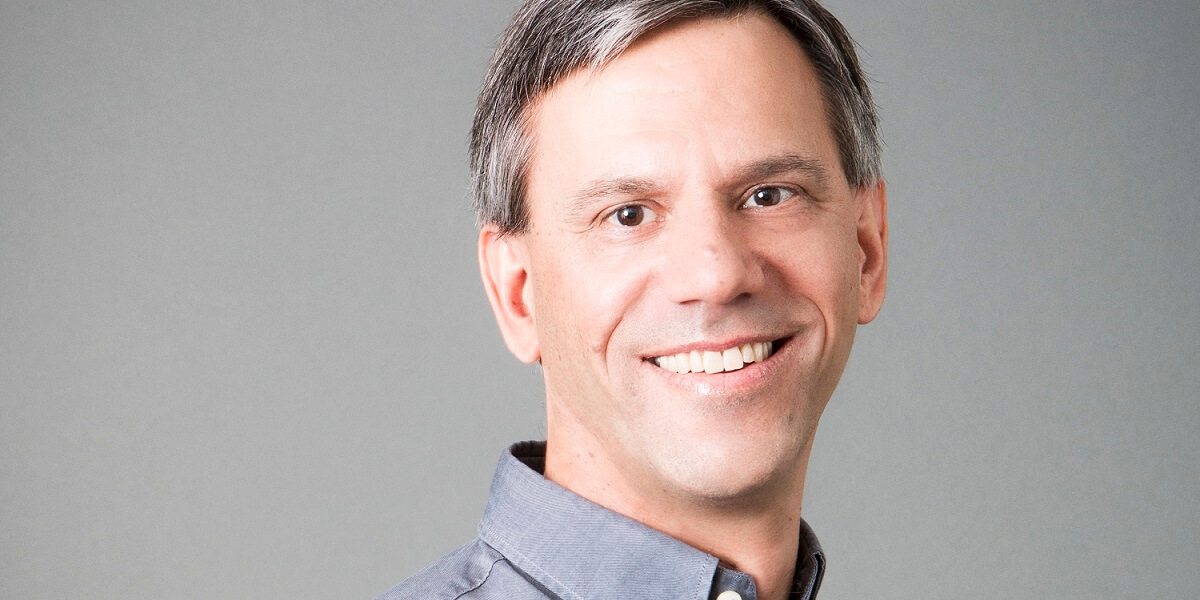
“ISI Is a Great Place If You Want to Change the World”

The Lawyer’s Office May Be a Lifeline
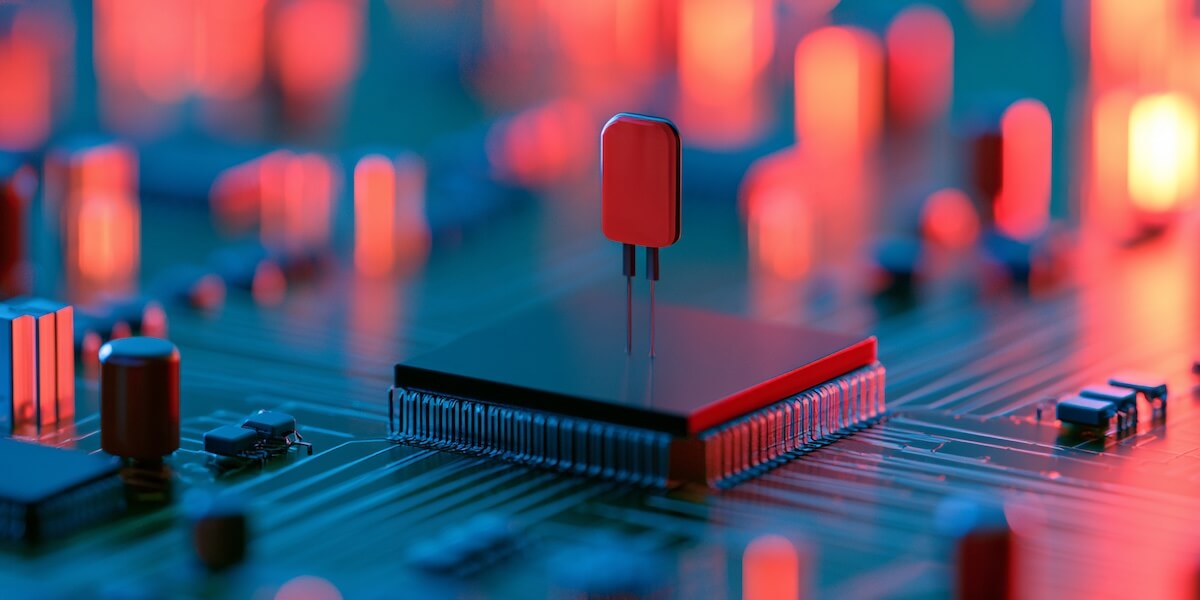
Building a Better Transistor

They Developed an AI Tool to Detect Online Job Ads Linked to Human Trafficking

Carl Kesselman Wins 2026 HPDC Achievement Award
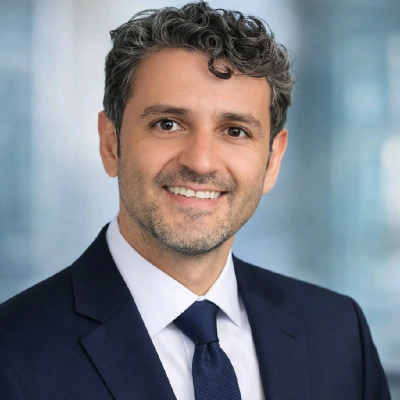
From Imaging to Intelligence: AI-Driven Multimodal Inspection of 3D Advanced Packaging
Professor Navid Asadi, University of Florida
-
Energy-Efficient Heterogeneous Photonics for Next Generation AI and Hardware Accelerators
Professor Stanley Cheung, North Caroline State University
-
Compute-in-Memory with Emerging Technologies: Prototype Chips on Foundry Platforms
Professor Shimeng Yu, Georgia Tech
-
Delivering the future
ISI's mission is to advance society through pioneering research and technological innovation. We cultivate an intellectually vibrant environment where researchers are empowered to imagine bold solutions to complex problems and to develop into world-class leaders. Guided by integrity, inclusion, and a commitment to excellence, we create unprecedented capabilities that harness information to transform lives.
Research & Development
Part of the University of Southern California’s Viterbi School of Engineering, ISI is a pioneer in research and development across an exceptionally wide range of advanced information processing, computer, and communications technologies.
Our broad expertise spans artificial intelligence, computational systems and technology, space engineering, informatics systems research, and networking and cybersecurity. Bridging multiple technology disciplines through both academic and industry expertise, ISI continues to shape the technologies of tomorrow.

Centers
ISI Centers are internationally renowned for pioneering research in a multitude of areas and disciplines, with collaborations with Lockheed Martin, Raytheon, Northrop Grumman, and numerous other organizations. From quantum computing to global space applications, ISI Centers push forward the boundaries of innovation.
MOSIS
In 1981, a request from DARPA led to USC establishing The MOSIS Service at ISI — a silicon prototyping and low volume production service for custom and semicustom integrated circuits.
Over the past 40 years, The MOSIS Service has collaborated with over 50 US government laboratories and agencies, 800 domestic and foreign colleges and Universities, and more than 100 commercial companies, and continues to support the advancement of microelectronics.

Join the Future
To build upon its successes and global reach, ISI actively recruits exceptional talent. We are dedicated to investing in tomorrow’s leaders, providing numerous internship, job, and program opportunities for students, as well as unique opportunities for exceptional researchers in information sciences and related fields.
Did you know
ISI SEMINAR SERIES
Keep up-to-date with the ISI seminar series by subscribing below.
You will have the option of subscribing to individual seminar topics.
subscribe to notificationsISI SEMINAR SERIES
Keep up-to-date with the ISI seminar series by subscribing below.
You will have the option of subscribing to individual seminar topics.
Information Sciences Institute
As a world-class institution, ISI offers a prestigious, intellectually vibrant environment, combining the best of major research universities and industry labs on both coasts.
ISI is committed to forging a better future. Please visit our careers web page to learn how you can become a part of the ISI community.

Kristina Andreyeva, an astronautical engineering doctoral student at the USC Viterbi School of Engineering, is leading the development of STARFISH, a flexible, four-limbed robot designed to reach places traditional machines cannot.
Working with David A Barnhart, director of the USC Space Engineering Research Center at the USC Information Sciences Institute and research professor in the USC Department of Astronautical Engineering, Andreyeva has helped turn an ambitious idea into a walking laboratory prototype—with its sights set firmly on the stars.
Read the story:
https://lnkd.in/g\_S8FdWv
The former Michael Keston Executive Director of ISI and former vice dean of engineering at the USC Viterbi School of Engineering will continue as a distinguished principal scientist and research professor of computer science and spatial sciences, pursuing ambitious AI research with real-world impact.
Read about his leadership, legacy and next chapter:
https://lnkd.in/gK7t4EmX
John Heidemann, research professor in the USC Thomas Lord Department of Computer Science in the USC Viterbi School of Engineering, principal scientist at the USC Information Sciences Institute and chief scientist for ISI’s Networking and Cybersecurity Division, explains how researchers are uncovering these hidden failures — and working toward a more reliable internet.
https://lnkd.in/g\_NBXR9c
She chose the USC Viterbi School of Engineering in part because of the USC Information Sciences Institute (ISI), its dedicated AI research lab and its location in California’s tech industry.
Read her story:
https://lnkd.in/gzyyrTqk
This October, USC Information Sciences Institute will open the doors of our Marina del Rey headquarters for two free events bringing together innovators, entrepreneurs, researchers and tech enthusiasts:
🤖 Self-Improving Agents Hackathon
Tuesday, Oct. 13 \| 10 a.m.–4 p.m.
Join us for a hands-on hackathon focused on building AI agents that can learn from feedback and improve their performance over time. RSVP or join the waitlist: https://lnkd.in/g8PcNUUn
🚀 Space: The Next Frontier of Technology
Thursday, Oct. 15 \| Beginning at 2 p.m.
Hear from industry leaders working at the forefront of space exploration, communications, sensing, autonomy and the rapidly evolving space economy. RSVP: https://lnkd.in/gaKCnzuv
Both events are free, but space is limited. Explore the full details and reserve your spot: https://techweek.isi.edu/
We look forward to welcoming LA’s tech community to ISI!
USC Viterbi School of Engineering USC Stevens School of Computing and AI